Licensed. Insured. State Certified.
Silent Intruders, Serious Damage: Professional Squirrel Solutions in Fredericksburg, VA
That scratching in your ceiling isn't just an annoyance—it’s a countdown. When wild squirrels trade the mature oak trees of the Rappahannock region for the cozy, insulated bays of your attic, they instantly transition from outdoor wildlife to active structural hazards.
At Squirrel Control Fredericksburg, we don't just patch holes or set random traps. We deliver highly engineered, biology-driven exclusion and home-preservation services designed to permanently reclaim your peaceful living space.
Why Fredericksburg Homeowners Trust Our Squirrel Specialists:
Behavior-First Dynamics: We map our exclusion strategies around local squirrel breeding seasons, ensuring we never trap young offspring inside your walls.
Indestructible Defenses: We bypass flimsy DIY fixes, utilizing heavy-gauge, galvanized steel and custom metal flashings that rodent teeth simply cannot penetrate.
Comprehensive Property Restoration: From complete attic sanitization and insulation replacement to exterior utility protection, we reverse the damage from top to bottom.
Locally Rooted Expertise: We understand the unique architectural vulnerabilities of historic colonial homes and modern suburban estates alike throughout the Fredericksburg area.
The Permanent Solution to Your Wildlife Conflict
True peace of mind requires more than just chasing an animal out of your eaves. Our team systematically diagnoses how squirrels bypassed your home's exterior defenses, safely extracts the active population using humane, one-way exit systems, and physically reinforces those entry points so they can never return.
Don't wait for a chewed wire to turn a minor nuisance into an emergency.
Contact Squirrel Control Fredericksburg today to schedule your comprehensive roofline and attic diagnostic inspection. Let's make your home quiet, safe, and entirely secure.
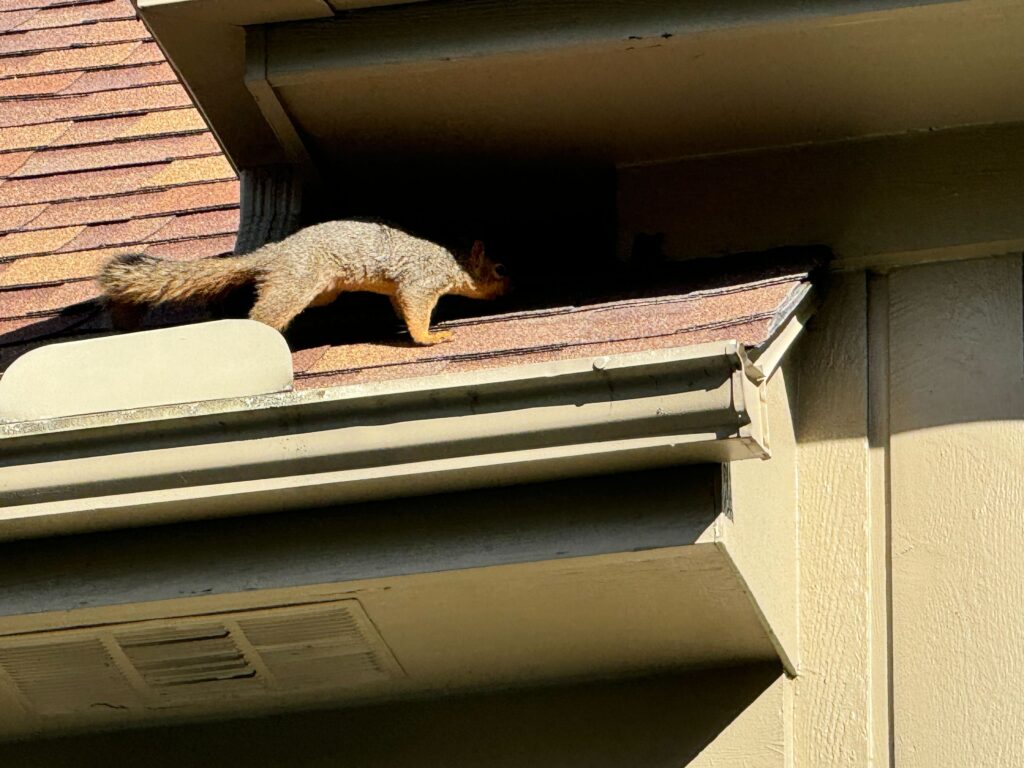
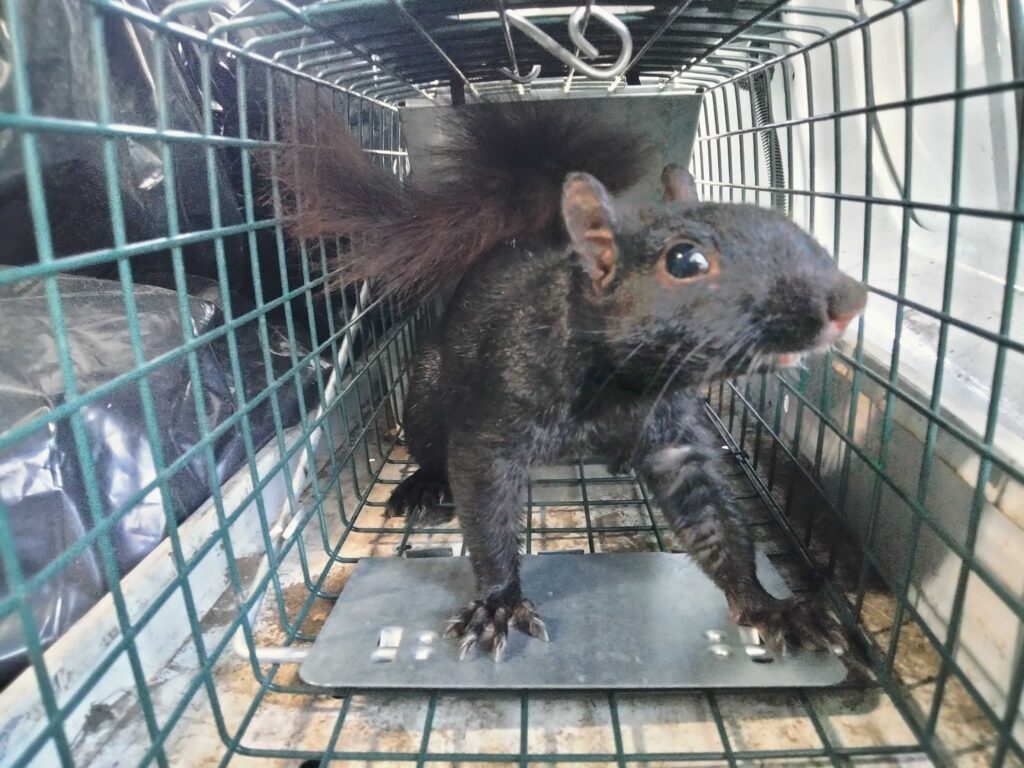
External Utility Protection: Safeguarding Solar, HVAC, and Electrical Lines
While most people associate squirrel damage with the inside of an attic, these persistent rodents cause severe destruction to the critical mechanical and utility systems mounted on the exterior of your property. Because a squirrel’s teeth grow constantly, they use hard plastic casings, metal conduits, and soft wiring insulation to keep their incisors worn down.
Our specialized utility defense services target these high-risk exterior systems:
-
Solar Panel Bird & Rodent Guards: The shaded space underneath rooftop solar panels provides a perfect, pre-protected nesting environment. Squirrels will chew through the heavy electrical wiring beneath the panels, causing system failures or potential roof fires. We install custom, black PVC-coated steel mesh skirts around the perimeter of the array to permanently block access.
-
HVAC Condenser Line Insulation: The exterior refrigerant lines running from your outdoor AC unit up into your attic are wrapped in thick, foam insulation. Squirrels aggressively strip this insulation away to use as soft bedding material for their nests, leaving your copper lines bare and forcing your heating and cooling systems to work twice as hard.
-
Lead Plumbing Boot Caps: The PVC or lead boots that seal your roof’s plumbing vent pipes are a favorite target for gnawing. Once a squirrel chews away the soft lead or plastic seal, rainwater runs directly down the outside of the pipe, causing mysterious, hard-to-trace ceiling leaks. We reinforce these vents with heavy-duty, chew-proof steel collar caps.
Architectural Weak Points: How Construction Style Impacts Squirrel Vulnerability
Every home is built differently, and squirrels are experts at finding the specific structural vulnerabilities unique to your home’s age and architectural design. Rather than a one-size-fits-all approach, effective exclusion requires understanding how different building styles fail over time.
Our team is trained to identify and reinforce the exact structural weak spots common to residential properties:
-
Modern Soffit & Fascia Gaps: Many contemporary homes feature vinyl or thin aluminum soffit panels. While aesthetically pleasing, these panels are flexible. A squirrel can easily push up on a loose panel corner or chew through the soft vinyl backing to slip directly into the eaves.
-
Historic Wood Rot & Box Gutters: Older, historic properties often feature beautiful wood craftsmanship that, over time, becomes susceptible to moisture and wood rot. Squirrels target these soft, water-damaged spots, easily clawing and chewing through compromised wood to expand tiny gaps into full-sized entryways.
-
Roof-to-Wall Intersections: In homes with complex rooflines, dormers, or multi-level additions, shingles often meet vertical siding at sharp angles. If the metal step-flashing in these valleys is not perfectly flush or has pulled away over time, it creates a dark, inviting pocket that squirrels will aggressively excavate.
Squirrel Removal
Lifetime Warranty
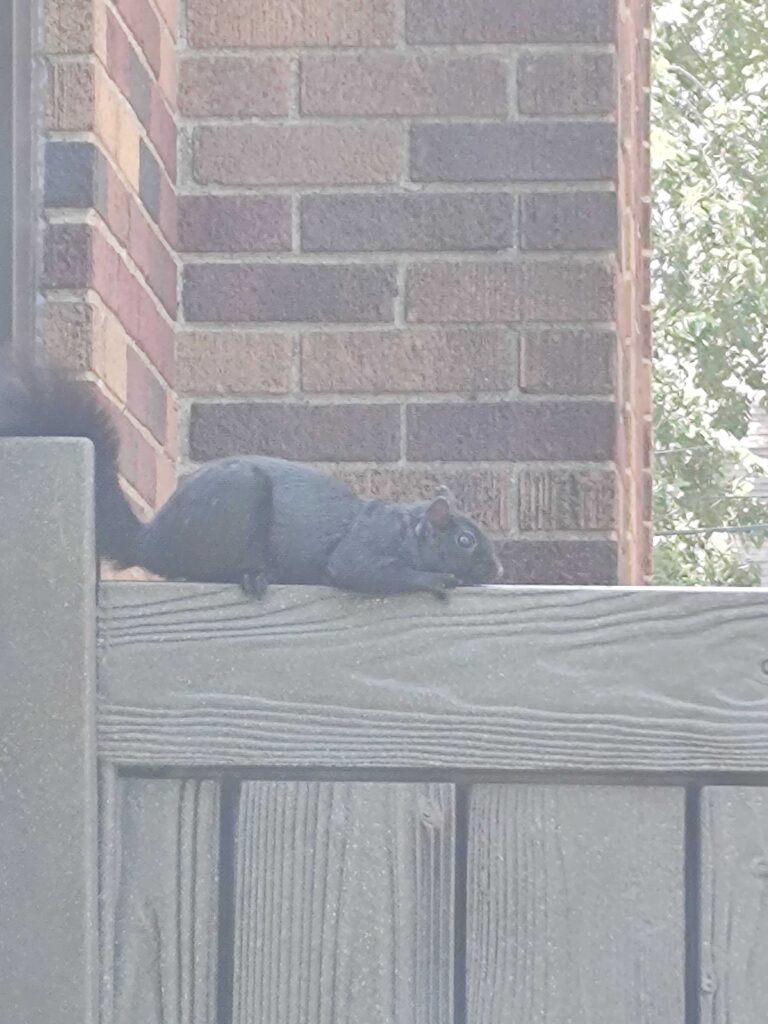
Heavy-Duty Structural Reinforcement & Custom Metal Fabrications
Squirrels possess incredibly strong, constantly growing incisors that allow them to easily chew through wood, plastics, vinyl, and even soft metals like aluminum. Standard DIY repairs using expanding foam or plastic netting will not stop a determined squirrel. To provide true, long-term protection, we rely on heavy-duty, industrial-grade materials designed to withstand persistent gnawing.
Our physical reinforcement protocols include:
-
Galvanized Steel Ridge Vent Guards: Plastic ridge vents on modern shingle roofs are one of the most common entry points for squirrels. We install heavy-gauge, galvanized steel mesh directly over the length of your ridge vents, maintaining proper attic ventilation while completely blocking rodent teeth.
-
Custom-Bending Aluminum Drip Edges: The gap between your first row of shingles and your fascia board (the construction gap) is highly vulnerable. We fabricate and install thick, custom-bent metal flashing along this entire roofline to eliminate soft wood edges that squirrels love to chew.
-
Heavy-Duty Steel Chimney Shrouds: Open chimney flues are a natural trap for squirrels, who often slip inside and become stuck, or actively nest on top of damper plates. We install stainless steel, spark-arresting chimney caps that prevent any entry while allowing smoke and gas to escape safely.
Local Squirrel Biology: Understanding the Breeding & Nesting Seasons
To effectively control squirrel populations around your property, it helps to understand their natural behaviors and life cycles. In Virginia, our most common resident is the Eastern Gray Squirrel. Unlike many other wild mammals, squirrels do not hibernate during the winter; instead, they remain active year-round, seeking out the sturdiest shelter available to raise their young.
Squirrel behavior shifts drastically based on two distinct annual cycles:
-
The Winter Breeding Cycle (December – February): As temperatures drop, pregnant females experience an intense drive to find warm, insulated cavities. The natural hollows of mature oak trees are often passed up for the consistent, dry heat of a residential attic.
-
The Summer Breeding Cycle (June – August): A second litter is typically born in mid-to-late summer. During these sweltering months, squirrels seek out attic spaces not for warmth, but to escape predators and severe summer storms, utilizing your drywall and insulation to build nursery nests (known naturally as dreys).
Understanding these biological timelines is exactly why professional mitigation is so crucial. Attempting to manage an infestation without knowing whether vulnerable, immobile kits are hidden deep inside a soffit can lead to severe structural and humane complications.
Dietary Habits & Urban Adaptability
Beyond their breeding cycles, the survival instincts of the Eastern Gray Squirrel make them uniquely adapted to thrive in suburban neighborhoods. Understanding what drives them to your property helps explain why they become such persistent houseguests.
-
Scatter-Hoarding Behavior: Squirrels practice “scatter-hoarding,” burying thousands of nuts, acorns, and seeds across a wide area to survive the lean winter months. Your landscaping, flower beds, and unsealed crawlspaces provide the perfect, soft soil for caching food. This constant burying and digging can damage manicured lawns and uproot delicate root systems.
-
The Foraging Radius: A typical urban squirrel maintains a home range of roughly one to five acres. If your home falls within that radius, they will treat your roofline as a permanent part of their territory. They memorize transit routes across fences, roof shingles, and gutters, returning to the exact same spots season after season.
-
Opportunistic Feeding: While their natural diet consists of mast (tree nuts like acorns, hickory nuts, and walnuts), squirrels are highly opportunistic. The presence of backyard bird feeders, accessible trash bins, or fallen fruit from fruit trees will dramatically increase squirrel traffic on your property, eventually leading them to explore your roofline for a way inside.
Step 1: Detailed Home Inspections & Vulnerability Mapping
Before any physical work begins, we conduct a meticulous, top-to-bottom assessment of your home’s exterior and roofline. Our team searches for the subtle, often overlooked signs of rodent intrusion that go far beyond the main entry point.
During our diagnostic evaluation, we inspect:
Fascia Boards & Soffits: We look for fresh chew marks, soft wood, and gaps where squirrels can easily pry their way inside.
Roof Intersections & Valleys: We examine construction gaps where different roof lines meet, a favorite target for pregnant females looking for a warm nesting site.
Ventilation Screens: We check attic fans, ridge vents, and crawlspace grates to ensure they haven't been torn open or compromised by strong teeth.
By mapping out every potential weakness across your property, we construct a custom defense strategy designed to secure your home against future invasions.
Step 2: Attic Sanitization & Restoration
Once the active invaders have been humanely excluded, the next critical phase is reversing the damage left behind. A nesting site is often contaminated with urine, droppings, and external parasites like fleas or mites. Simply removing the animals is not enough; the space must be thoroughly restored to protect your household’s air quality.
Our restoration process focuses on returning your attic to a clean, safe, and energy-efficient state:
Contaminant Extraction: We carefully vacuum out soiled insulation, fecal matter, and nesting debris using specialized, HEPA-filtered equipment to prevent dust and airborne pathogens from drifting down into your living areas.
Eco-Friendly Decontamination: The entire space is treated with a professional-grade, botanical disinfectant and deodorizer. This neutralizes organic waste, eliminates pheromone trails that might attract other wildlife, and kills lingering parasites.
Thermal Barrier Replacement: Finally, we blow in fresh, high-efficiency insulation to restore your home's thermal boundary, instantly lowering your heating and cooling costs while sealing off the favorite nesting zones of the past.
Step 3: Perimeter Manipulation & Preventative Tree Trimming
The final phase of long-term protection moves away from the house itself and focuses on the surrounding landscape. Squirrels are elite acrobats, capable of leaping up to 10 feet horizontally from a tree branch directly onto your shingles. To keep your roof safe from future visitors, we address the natural highways they use to access your home.
Our exterior defense protocols include:
Canopy Management: We trim back overhanging tree branches and limbs to a safe distance of at least 10 to 12 feet away from your roofline, removing their primary jumping platforms.
Utility Line Deflectors: If squirrels are traveling along overhead power, cable, or telephone wires, we can install smooth, spinning PVC line guards that safely prevent them from running across the lines toward your fascia.
Gutter Guard Integration: We install heavy-gauge gutter screens to stop rodents from using your drainage system as a hidden corridor to access low-hanging roof eaves and corner trim.
